

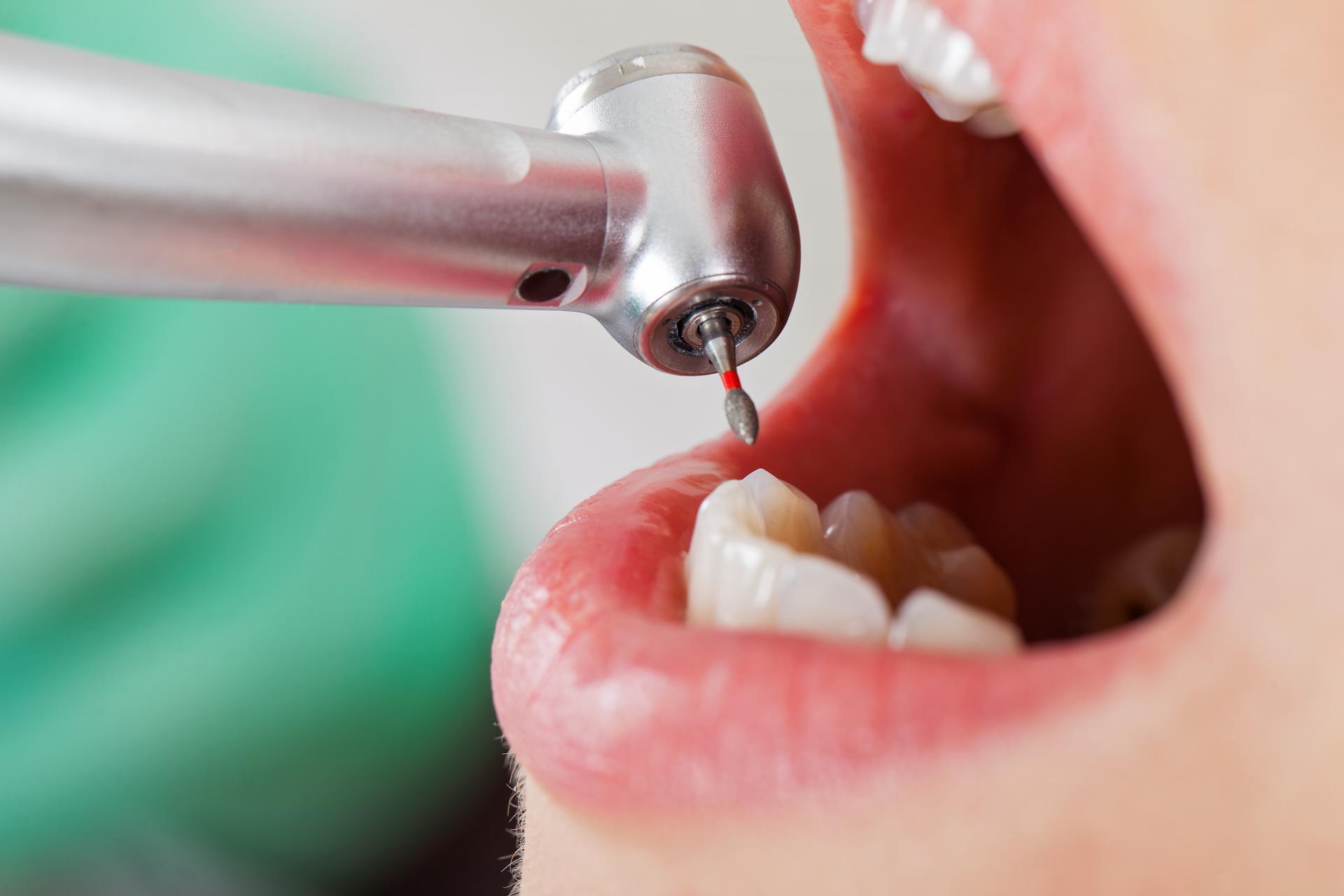
Choosing the right dental handpiece isn’t just a purchasing decision. It’s also a clinical one. The wrong handpiece can mean longer procedure times, compromised work quality and increased strain on you and your patients. The right one becomes an extension of your hand.
Whether you’re stocking a new practice, replacing aging equipment, or simply reassessing what’s in your tray, here are the five factors worth prioritizing.
1. Speed, Torque, and Drive Type
Perhaps the most fundamental choice you can make when selecting a handpiece is whether to go with air-driven or electric, and both have legitimate cases.
Air-driven handpieces operate at high speeds and are generally lighter, more affordable, and easier to replace. They’re a practical choice for practices that prioritize simplicity and lower upfront cost. The tradeoff is torque: air-driven units tend to lose speed under load, which can impact efficiency on harder tissue.
Electric handpieces deliver more consistent torque and speed control regardless of what they’re cutting through. They run quieter, roughly 20 decibels quieter than air-driven models, and offer greater power for demanding procedures. The trade-offs are weight and cost, both of which are higher.
For high-volume practices, or those doing more complex restorative work, the consistency of electric is often worth the investment. For practices prioritizing accessibility and ease of maintenance, air-driven remains a reliable workhorse.
You can learn more about the different types of handpieces here.
2. Weight and Ergonomics
Hand fatigue is one of the most underappreciated factors in handpiece selection, and one of the most consequential over the course of a career.
A lightweight, well-balanced handpiece reduces cumulative strain during long procedures and across a full schedule. This is especially important for dentists with smaller hands or those already managing wrist or shoulder discomfort. The difference between a handpiece that feels like a natural extension of your grip and one that requires constant compensation is something you’ll feel the difference between at the end of a long day.
Pay attention not just to the weight listed on a spec sheet, but to where that weight sits. Balance matters as much as raw numbers. A swivel connection on the tubing can also meaningfully improve maneuverability and reduce the torsional strain that comes from working at different angles.
3. Head Size and Visibility
Smaller head sizes improve visibility and access, particularly for posterior work, molar procedures, and pediatric cases where space is limited. If you’re regularly working in areas where line of sight is compromised, head size should be a non-negotiable part of your evaluation criteria.
Lighting is equally important here. LED and fiber optic lighting built into the handpiece reduces shadowing in the oral cavity, improves your ability to see fine details and reduces eye fatigue over the course of a day. It’s a feature that can feel minor until you’ve experienced the difference yourself.
4. Cooling System
An adequate, multi-port water spray system, ideally three or four ports, is essential for efficient cooling and debris removal during cutting procedures. Insufficient cooling can cause equipment damage, and it can also cause harm to surrounding tissue.
When evaluating handpieces, look for consistent, reliable spray coverage across the cutting zone rather than a single-stream setup that may leave portions of the bur insufficiently cooled.
5. Maintenance, Sterilization, and Compatibility
A handpiece is only as good as its longevity, and longevity depends on how easy it is to maintain. Look for models that are straightforward to lubricate and sterilize. Pay attention to what the manufacturer’s maintenance protocol actually requires in terms of time and materials.
Compatibility is equally worth confirming before purchase. Not all handpieces are interchangeable. Connection types vary and selecting a model that doesn’t integrate with your existing tubing creates a problem that shows up the moment you try to use it.
A handpiece that fails within its first year and comes with a responsive replacement process is a very different investment than one with no coverage and limited parts availability.
This is where partnering with Patterson makes a huge difference. Our support teams are unmatched within the industry and will be there to help you and your practice when you need us.
The Bottom Line
There’s no universal best handpiece. There’s the right one for your hands, your patient mix, your budget, and your clinical priorities. Evaluating these five factors gives you a consistent framework to compare options and make a decision you’ll feel good about every time you pick it up.
Patterson Dental carries a full range of handpieces across price points, drive types, and ergonomic profiles. Talk to your Patterson representative to find the right fit for your practice.
