

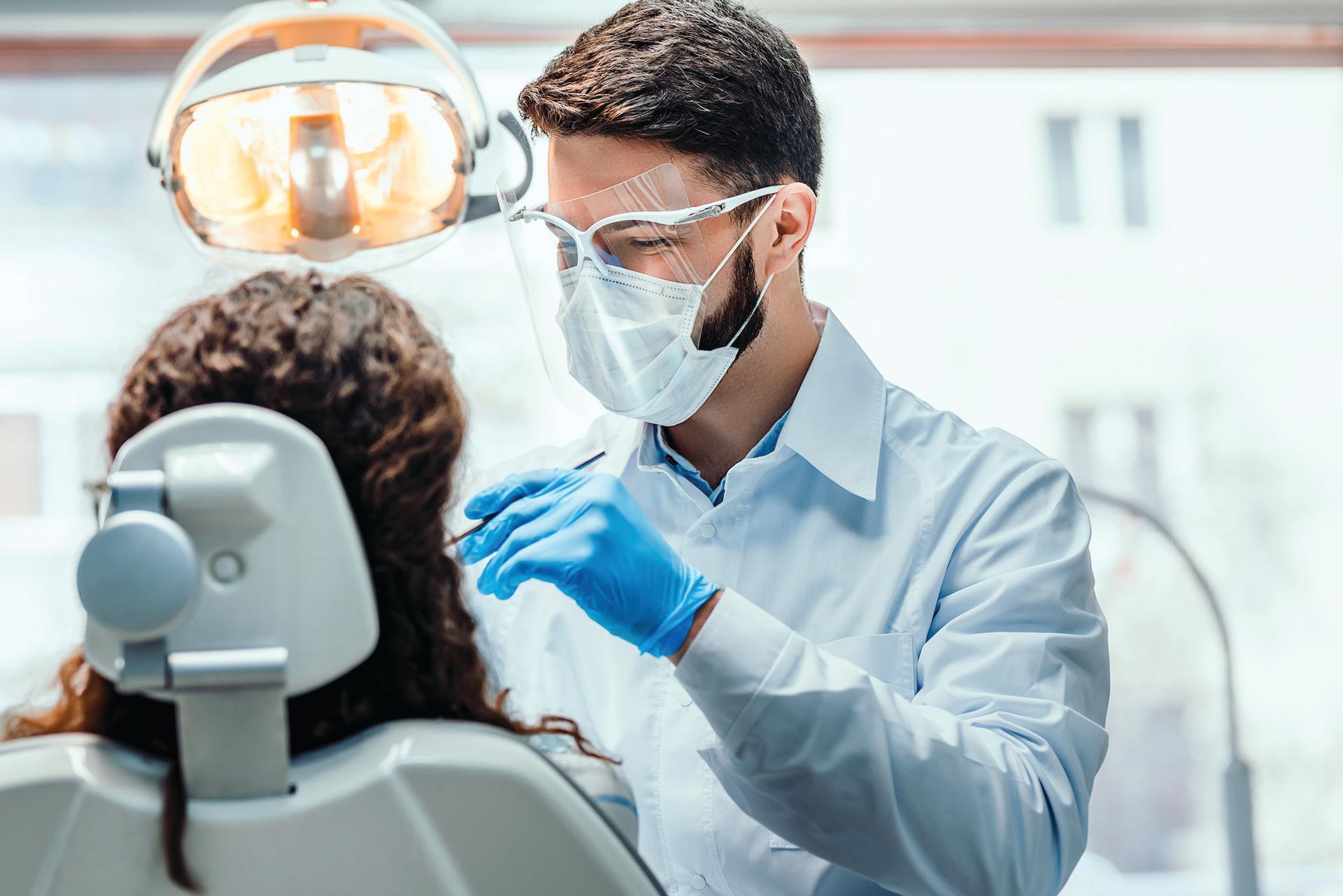
April is Oral Cancer Awareness Month, and it’s a timely reminder that the dental chair is often the first place a potentially life-changing diagnosis begins. Oral cancer is among the most common head and neck tumors, but it frequently goes unnoticed in its early stages.
That’s what makes the dentist’s role so critical. A routine check-up can truly make a difference.
Why Early Detection Matters
The survival rate for oral cancer varies dramatically depending on when it’s caught. Diagnosed at Stage 1, patients have a 94% survival rate. By Stage 4, that number drops to just 5%.

Early detection isn’t just better for patients.
It’s the difference between a manageable case and a devastating one.
Who Is Most at Risk?
While oral cancer can affect anyone, certain patients in your chair carry a meaningfully higher risk. Knowing who to watch for helps ensure screening becomes a consistent habit rather than an afterthought.
- Men: oral cancer occurs twice as often in men as in women, though the gap has been narrowing in recent decades
- Adults over 40: about 95% of oral cancers occur in people over 40, with the average age at diagnosis around 60
- Tobacco users: in any form, tobacco remains the leading risk factor for oral cavity cancers, historically present in at least 75% of those diagnosed at 50 and older
- Heavy alcohol users: a significant risk factor on its own, and those who both smoke and drink have a 15 times greater risk of developing oral cancer than others
- HPV-positive patients: incidence rates have increased about 1% per year since the mid-2000s, mostly driven by a rise in HPV-linked cancers
- Black patients: oral cancer occurs twice as often in the Black population as in white patients, and five-year survival rates are lower at 33% compared to 55% for white patients, disparities likely tied to socioeconomic factors including access to care
- Non-smokers under 50: currently the fastest growing segment of the oral cancer population, a reminder that risk isn’t limited to traditional profiles
The challenge is that precancerous and early-stage cancerous lesions aren’t always visible to the naked eye during a standard visual exam – which is exactly where technology like Goccles comes in.
Introducing Goccles: Screening in Seconds
Goccles is a patented, clinically validated screening device designed to fit seamlessly into a routine dental visit. The concept is simple: the dentist wears the Goccles glasses and illuminates the patient’s oral cavity with a curing light. No gels, no liquids, no contrast agents, no additional procedures. The entire screening takes about 60 seconds.
The glasses use autofluorescence technology to make the invisible visible. Healthy tissue appears green under the light. Suspicious lesions appear darker. What might otherwise go undetected in a standard visual exam becomes identifiable in under a minute – giving you the opportunity to act early when it matters most.
Why It Works for Your Practice
Beyond the clinical case, Goccles is a practical one.
It integrates into the regular dental visit without adding meaningful time or complexity to the appointment. It requires no patient preparation and causes no discomfort. It also allows you to detect lesions that a standard visual exam might miss entirely! This provides you with the opportunity to refer patients for further evaluation at the earliest possible stage.
For a device with that kind of diagnostic potential, the barrier to adoption is remarkably low. You’re already doing the checkup. Goccles simply makes it more complete.
Goccles has been recognized with multiple industry awards, including recognition from the Edison Awards and the Dental Advisor, and is backed by international clinical studies.
The Bottom Line
While only 3% of cancer cases are oral cancer, it’s more common than most patients realize. It’s also more survivable than most patients fear, when caught early. This Oral Cancer Awareness Month is a good moment to ask whether your practice is doing everything it can at the screening level.
Goccles is available through Patterson Dental. Talk to your Patterson representative to learn more about adding this screening capability to your practice.

You must be logged in to post a comment.