

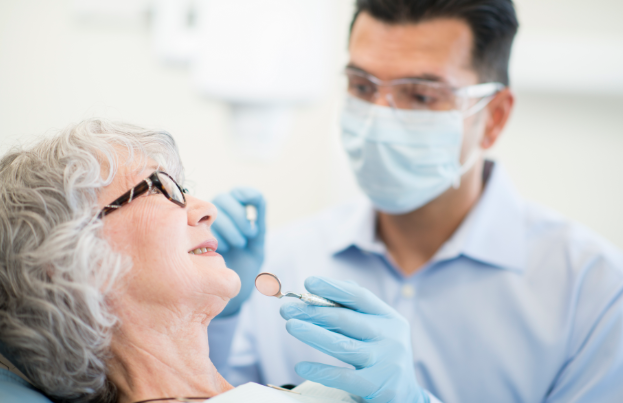
Throughout this series, we have explored why the recare appointment is far more than a routine “free cleaning.” We have looked at the hidden cost of autopilot, the impact inconsistent systems can have on patients and teams, and the physical toll preventive workflows can place on clinicians.
The common theme is simple: prevention cannot be treated as routine.
It requires clinical judgment, clear systems, intentional communication, the right tools, and a team that understands how to connect what they see clinically to what the patient values most.
This is where having a coach in your practice can become transformational. Hygiene Mastery helps practices strengthen preventive and periodontal care through calibrated standards, stronger education, patient-centered communication, confident recommendations, and supportive workflows that help teams deliver a more consistent level of care.
Prevention not only maintains health but also identifies risk early, protects periodontal outcomes, preserves teeth, and supports implant longevity. The goal isn’t just scheduling the next “cleaning”—it’s recommending the right care, at the right interval, based on each patient’s condition, risk, and long-term health goals.
For doctors and practice leaders, this creates greater clinical consistency, stronger patient trust, and a hygiene department that can support both exceptional care and sustainable practice growth.
This is why prevention requires mastery.
Patient Buy-In Starts with Understanding
Patients are more likely to accept care when they understand why it’s needed. Instead of “you’re due for an extra cleaning,” focus on what you see, what it means, and how treatment protects what matters most. Whether that’s keeping natural teeth, protecting implants, avoiding future care, or maintaining health and confidence.
At Hygiene Mastery, we teach teams to begin with one powerful question: “What is most important to you when it comes to your oral health?”
That question helps move the conversation beyond a standard recommendation and into a customized care plan. It gives the provider insight into what the patient values most, so the recommended care can be connected to something meaningful in their life.
For some patients, the priority is comfort: reducing bleeding, sensitivity, bad breath, inflammation, or the fear of future discomfort.
For others, it is cosmetics: keeping their smile bright, protecting esthetic dentistry, avoiding stain, or feeling confident when they speak, smile, or take photos.
Some patients are most focused on longevity: keeping their natural teeth for life, protecting the investment they have made in implants or restorative care, and avoiding more extensive treatment in the future.
And for many, the priority is function: being able to chew comfortably, speak with confidence, maintain stability, and continue enjoying the foods and activities that matter to them.
When providers understand what matters most to patients, they can tie recommendations to those values—shifting the conversation from frequency or cost to protecting health, comfort, function, and long-term outcomes.
From Understanding to a Clear Plan
Once patients have shared what matters most to them, the clinician’s role is to translate the findings into a clear path forward.
This is where the clinician connects the dots. The goal is not to overwhelm patients with every clinical detail or hand them a list of recommendations without context. The goal is to help them understand what we are seeing, why it matters, and what path of care will best protect their health moving forward.
A strong recommendation should answer four questions for the patient:
- What are we seeing today?
- How does it impact your health?
- What are we recommending and why?
- How does this plan protect what is most important to you?
When those questions are answered clearly, the recommendation feels less like a treatment pitch and more like a plan the patient can understand and participate in.
The Right Path of Care Is Individualized
A personalized care plan should not be built around a fixed interval or one-size-fits-all approach. It should reflect the patient’s current condition, disease history, risk factors, restorative needs, occlusion, home-care habits, and long-term goals.
For some patients, that means preventive care focused on maintaining health and reducing future risk. For others, it may mean soft tissue disease therapy to address inflammation and early disease before it progresses. When disease has advanced and infiltrated the supporting bone, periodontal therapy is needed to address active infection and stabilize the condition.
From there, an intentional maintenance protocol helps protect treatment outcomes and reduce the risk of disease relapse and further progression.
As more patients retain natural teeth longer and invest in dental implants, the importance of individualized maintenance becomes even greater. More than 3 million people in the United States have dental implants, and approximately 500,000 more receive them each year.1 In 2022 alone, more than 3.7 million implants were sold in the United States. Recent data also suggest that peri-implant disease is far from rare, affecting approximately 46% of implant patients with peri-implant mucositis and 21% with peri-implantitis.2 Practices must help patients understand that implants are not “set it and forget it.” They require ongoing monitoring, biofilm management, and a preventive maintenance plan designed to protect the health of the surrounding tissues and bone, as well as the investment the patient has made.
The goal is not to recommend more care simply because it is available. The goal is to recommend the level of care that best protects the patient’s health today and preserves their long-term goals.
Modern Prevention Requires Modern Biofilm Management
Once the correct path of care has been identified, the next question becomes: How do we deliver that care in a way that is effective, efficient, and sustainable for both the patient and the provider?
Effective biofilm management is essential for preventive, periodontal, and implant care. Beyond removing visible stain, it requires a strategy that addresses infection, disease risk, tissue health, implant maintenance, and the microbial factors affecting long-term outcomes.
Modern technology enhances prevention through low-abrasive air polishing with powders like glycine, enabling effective biofilm removal above and below the gumline while improving comfort and reducing operator strain.
HuFriedyGroup’s PWR Air and PWR Pair solutions align naturally with this approach by helping providers manage biofilm more efficiently and effectively using glycine, especially around implants, restorations, periodontal pockets, and other areas where traditional methods alone may be limited.
When providers can use the right tool for the right task, they are better able to focus their time and energy on what matters most: building rapport and relationships, identifying risk, educating patients, treating disease appropriately, and creating a maintenance plan that protects long-term health.
Making Prevention Easy to Say Yes To
Even the most clinically appropriate recommendation can fall flat if the patient does not understand why it matters to them and how they will benefit from it.
The goal is not to pressure patients into accepting more care. The goal is to make the recommendation clear enough that patients can see the value of “saying yes” before disease progresses, treatment becomes more expensive and extensive, and treatment outcomes are compromised.
This is where communication becomes just as important as clinical knowledge. At Hygiene Mastery, our Enrollment Mastery coaching helps teams strengthen the language, confidence, and systems needed to guide patients through these conversations in a way that feels clear, ethical, and patient-centered.
Instead of simply saying, “You need a deep cleaning,” providers can use a clear communication framework to identify the need, explain the consequence of delaying care, present a solution, and gain the patient’s commitment to move forward.
For example:
“Mrs. Jones, during my gum assessment today, I am noticing bleeding in areas that are hard to floss or reach with your toothbrush. Do you ever notice bleeding when you brush or have difficulty keeping fresh breath? What do you know about gum disease or periodontal disease?”
“This concerns me because we now know how the bacteria in the mouth have a direct impact on the rest of the body. Healthy gums do not bleed. This is a warning sign that we do not want to ignore. I am going to take a picture with this camera so you can see what I see.”
“Earlier, you shared that keeping your teeth for life is most important to you. The good news is that we are catching this early, and we can treat it right here in our office to help prevent the need for surgery or care from a specialist. To protect the goals you have for your teeth, we need to treat this infection now before it progresses further and requires more extensive and expensive treatment.”
“Does it make sense to address the infection now before it gets worse?”
This approach gives patients a chance to understand the need, see the consequence, recognize the solution, and participate in the decision rather than simply being told what treatment they need.
That same framework can be used across every level of care, including implant maintenance. The language may change based on the patient’s diagnosis and values, but the purpose remains the same: help the patient understand what is being monitored, why it matters, and how the recommended plan protects what they value most.
For example, an implant-maintenance conversation may sound like this:
“Mrs. Jones, during your maintenance assessment today, I am noticing areas around your implant that we need to keep a close eye on. Just like natural teeth, implants can collect bacteria and develop inflammation in the tissues and bone that support them.”
“Earlier, you shared that feeling confident in your smile is really important to you. By monitoring the tissue and bone around this implant and keeping bacteria under control, we can help protect the appearance and stability of your smile — along with the investment you have made in it.”
“This maintenance visit is designed to thoroughly disrupt the bacteria around the implant and monitor for any changes before they become more extensive, expensive, and difficult to treat.”
“Does it make sense that we continue seeing you at this interval to help protect your implant long term?”
Enrollment Mastery helps teams move beyond simply presenting treatment. It gives them the communication tools to create clarity, connect care to patient values, address concerns with confidence, and help patients feel like active participants in their own care plan.
When patients understand the “why,” the recare interval, periodontal therapy, implant maintenance, or preventive recommendation becomes less about cost or frequency and more about preserving the outcome they want.
Prevention Requires Mastery
The recare appointment should never be reduced to a routine “cleaning,” a default interval, or a quick conversation about what their dental insurance “covers.”
It is an opportunity to identify risk, interrupt disease progression, protect periodontal therapy outcomes, preserve implants, and help patients make informed decisions about their health.
This is what mastery looks like: a team that can recognize the right level of care, communicate the “why” with confidence, use the right tools to support effective prevention, and create a plan patients understand, value, and feel empowered to follow.
Hygiene Mastery helps practices build the clinical consistency, education, communication, and systems needed to support effective preventive and periodontal care. We partner with teams to improve disease recognition, strengthen patient conversations, and align recommendations with patient values—creating a more consistent standard of care throughout the practice.
When teams can recognize disease earlier, communicate the value of care clearly, and guide patients into appropriate treatment and maintenance, patient outcomes improve, trust grows, and the hygiene department becomes a stronger partner in the overall growth, health, and long-term success of the practice.
HuFriedyGroup helps support that work with instrumentation, technology, and preventive solutions designed to enhance biofilm management, patient comfort, implant maintenance, and workflow efficiency. When the right education, systems, communication, and clinical tools come together, practices are better equipped to provide care that is intentional, personalized, and built for long-term health.
Together, those elements help practices move beyond routine and toward care that is aligned, individualized, and designed to protect what matters most.
Because prevention is not simply what happens between emergencies.
It is how we help patients keep the health, function, confidence, and outcomes they have worked hard to achieve.
References
American Academy of Implant Dentistry. (n.d.). What are dental implants? Retrieved June 29, 2027, from https://aaid-implant.org/what-are-dental-implants/
Galarraga-Vinueza ME, et al. Prevalence, incidence, and risk factors for peri-implant diseases: An AO/AAP systematic review and meta-analysis. J Periodontol. 2025;96:587–633.
Content Sponsored by HuFriedyGroup
